


Navigating Healthcare - A Guide for Newcomer families. (CNAP-IASSA)

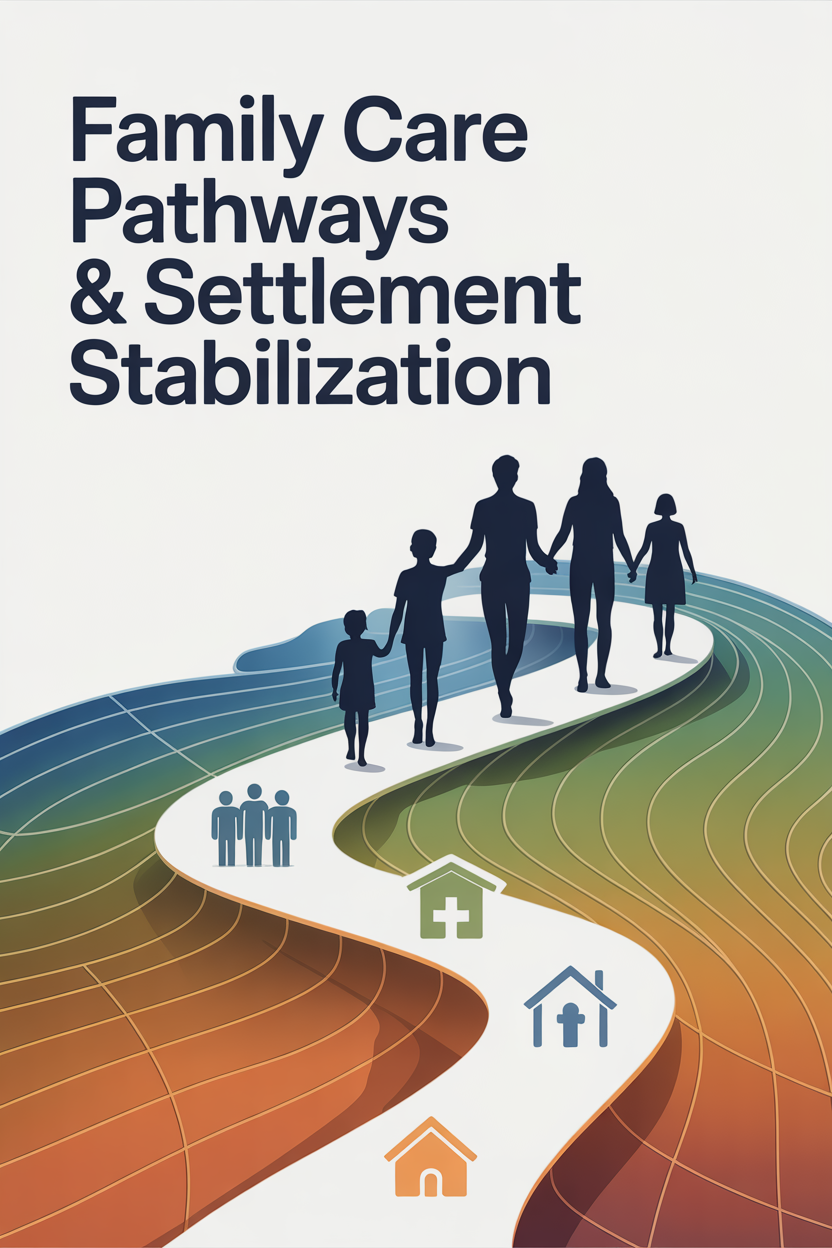
Family and Health Support in Canada: A Guide You Can Come Back To
Settling in a new country is not only about paperwork, employment, or housing. It is also about keeping yourself and your family healthy, emotionally steady, and connected. Health appointments, school meetings, and late‑night worries can all feel heavier when you are still learning how Canada works.
For many newcomers, questions about health and family support do not arrive all at once.
They appear slowly: a child who cannot see the board clearly at school, a parent who is not sleeping, a grandparent who seems more confused, or an argument at home that feels harder to manage than before. In those moments, it can be difficult to know where to turn first, and which services are meant for you.
Visit our Site for Extensive coverage of What you need to know and Resources to Access at. https://www.cnapcanada.com/healthandfamilysupportandguide. On our site - We walk you through How to Access all the resources available to you as a Newcomer.

Why it can be hard to navigate Healthcare support
Canada’s healthcare and social‑support systems are shared between federal, provincial, and local programs. Each province and territory runs its own public health plan, with its own name, rules, and extra benefits. Community agencies, schools, and family‑service organizations add another layer of support, but they may use different words and acronyms.
This means it is common to wonder:
Do I go to a family doctor, a walk‑in clinic, or an emergency room?
Who can help with both my child’s learning and their mental health?
Is this service free with my health card, or will there be a cost?
Where can I find support in my own language or with someone who understands my culture?
These questions are not a sign that you are unprepared. They are a normal response to a complex system.
A reference you can return to
The Family and Health Support Guide and Checklist is not meant to rush you into contact or decisions. It is simply there, in the same place, each time you are ready to read a bit more, ask a new question, or re‑check a detail.
If the questions in this blog feel familiar, the guide is available whenever you need to sit down, take a breath, and understand your options before choosing the next step that feels right for you and your family.
Read more on our site : https://www.cnapcanada.com/healthandfamilysupportandguide


Comments